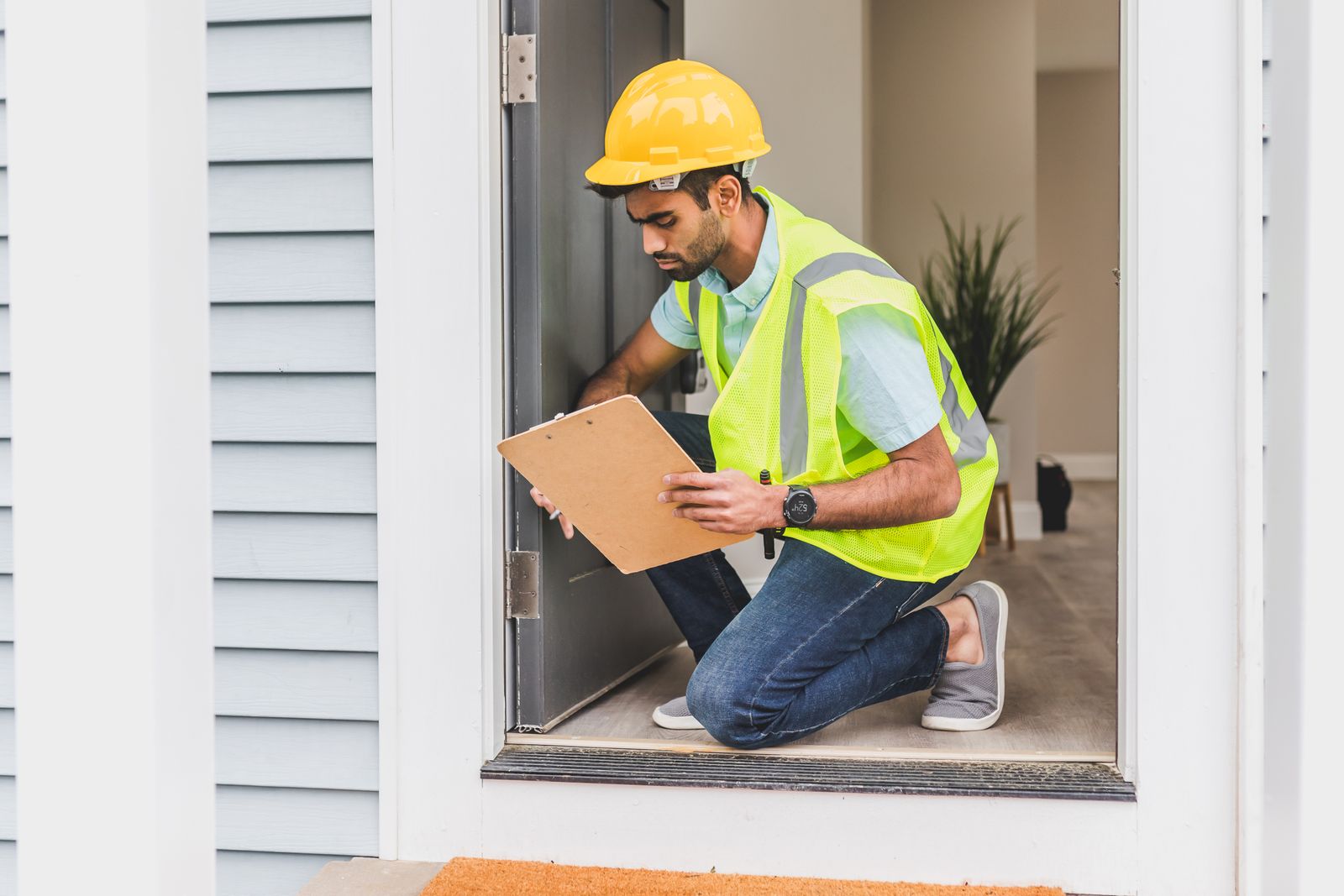
Why Older Flagstaff Homes Get Tested Before Any Renovation
Flagstaff is an old town by Arizona standards. The railroad and lumber-era bungalows of the Townsite and Southside neighborhoods date to the early 1900s, Sunnyside grew up through the postwar decades, and whole stretches of the east side and Greenlaw filled in with modest ranch homes during the 1950s, '60s, and '70s. Add the cabin stock scattered through Doney Park, Kachina Village, Mountainaire, and Munds Park, and a large share of the housing around the San Francisco Peaks was built squarely in the years when asbestos was a routine ingredient in American building materials.
Asbestos wasn't a fringe product. It went into spray-applied ceiling texture, vinyl floor tiles and their mastic, cement "transite" siding and flue pipes, pipe and duct insulation, joint compound, plaster, and vermiculite attic insulation. Federal rules removed it from some products in the 1970s — the EPA banned spray-applied asbestos surfacing in 1973, and the Consumer Product Safety Commission banned asbestos in wall-patching compounds in 1977 — but a broader 1989 EPA ban was largely overturned in court in 1991, and many products were never banned at all. That's why the practical rule of thumb is simple: if your building went up before about 1989, assume suspect materials may be present and test before you disturb them.
You cannot identify asbestos by looking at it. The only way to know whether a material contains asbestos is laboratory analysis of a properly collected sample — which is exactly what a certified local testing professional provides, usually within a few days and for far less than the cost of guessing wrong.
What Gets Tested in Flagstaff Homes
Popcorn & textured ceilings
Spray-applied acoustic texture is the most common reason Flagstaff homeowners order a test. A few small samples settle the question before a scrape, a drywall repair, or a sale. Popcorn ceiling testing →
Vermiculite attic insulation
Pebbly, gray-gold loose fill in attics — much of it sold as Zonolite from the contaminated Libby, Montana mine. The EPA says to treat it as asbestos-containing unless testing shows otherwise. Vermiculite testing →
Floor tile, siding & pipe wrap
9×9 vinyl tiles and black mastic, cement-asbestos "transite" siding and flues, and the white wrap on old heating pipes — all classic suspect materials in pre-1980s buildings. Flooring, siding & pipe testing →
Pre-renovation & demolition surveys
Full AHERA-style building surveys for remodels, additions, and tear-downs — the documentation contractors, lenders, and regulators expect before work begins. Renovation & demo surveys →
How Asbestos Testing Works
Professional testing is quick, minimally invasive, and far less disruptive than most people expect. A typical residential inspection takes under an hour on site.
Tell us about the property
Call or send the quote form with the property's ZIP code, rough age, and what you're planning — remodel, sale, insurance question, or just peace of mind. You'll get a free quote and a scheduled visit.
Inspection & sampling
An AHERA-accredited inspector examines the materials in question, then collects small physical samples — typically the size of a coin — using wet methods and sealed containers so nothing is released into your home.
Accredited lab analysis
Samples go to a laboratory accredited under the NIST National Voluntary Laboratory Accreditation Program (NVLAP) for bulk asbestos analysis, usually by polarized light microscopy (PLM). Standard turnaround is about 2–5 business days; rush service is often available.
Written report & next steps
You receive a written report identifying each material, whether asbestos was detected, and the type and percentage found. If a result comes back positive, you'll get plain-English guidance on your options — leave it alone, encapsulate it, or have it removed by a licensed abatement contractor.
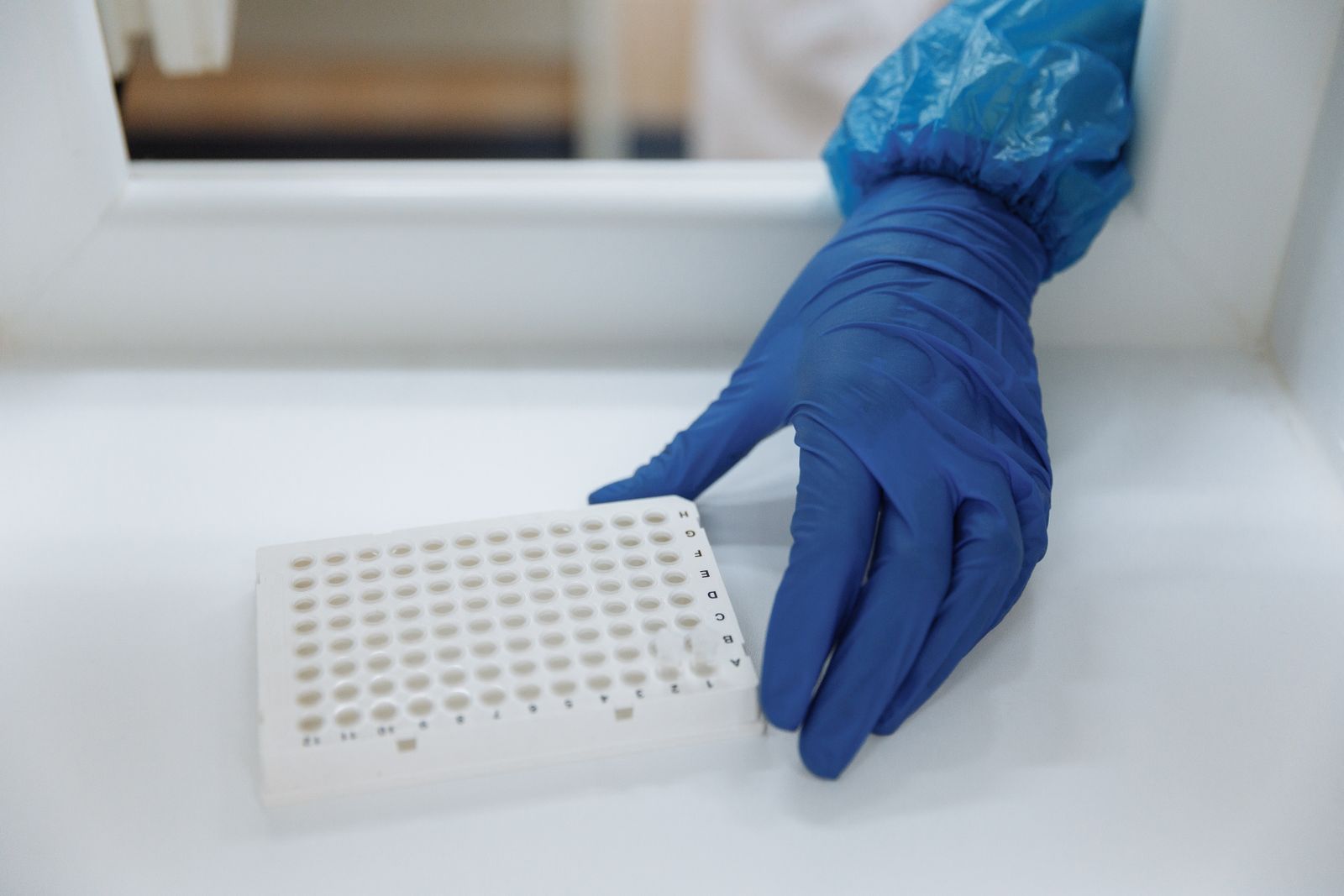
What Does Asbestos Testing Cost in Flagstaff?
Most homeowners pay far less than they fear. Nationally, professional asbestos inspections typically run about $250–$850 depending on the size of the property and the number of samples, with lab fees of roughly $25–$75 per sample. A single-material question — one popcorn ceiling, one run of pipe wrap — sits at the low end; a full pre-renovation survey of a whole house sits at the high end. Compare that with the cost of halting a remodel mid-demolition because a contractor found suspect material, and testing first is one of the cheapest insurance policies in construction.
Arizona Rules: What ADEQ Actually Requires
Asbestos work in the Flagstaff area is governed by the federal Asbestos NESHAP (National Emission Standards for Hazardous Air Pollutants), administered locally by the Arizona Department of Environmental Quality (ADEQ). The essentials, in plain English:
- Inspection before renovation or demolition. Before a regulated building is renovated or demolished, ADEQ expects the affected areas to be thoroughly inspected for asbestos by an AHERA-certified building inspector.
- Notification for regulated projects. Demolitions of regulated facilities, and renovations that will disturb regulated asbestos-containing material above the NESHAP thresholds (160 square feet of surfacing material, 260 linear feet on pipes, or 35 cubic feet where area can't be measured), require a notification filed with ADEQ at least 10 working days before work begins.
- Most single-family homes are exempt from the notification — a detached residence with four or fewer dwelling units generally falls outside the federal NESHAP, unless it's part of a larger commercial or multi-building project. Exempt doesn't mean risk-free: disturbing asbestos in your own home can still contaminate it and expose your family, which is why testing first is universally recommended.
This is a summary, not legal advice — for authoritative details, see ADEQ's asbestos program and EPA's asbestos pages. If your project is commercial or involves demolition, our partner professionals handle the survey documentation these rules are built around every week. Learn about pre-renovation and demolition surveys.
Get a Free Asbestos Testing Quote
Tell us what you're dealing with and a certified, insured local asbestos testing professional will follow up quickly with straight answers and a free quote. No pressure, no scare tactics — just a clear price for getting the facts.
Prefer to talk it through? Call — describing your project over the phone takes about two minutes.
Important: don't cut, scrape, or collect samples of suspect material yourself while you wait. Intact asbestos materials are generally not hazardous; disturbing them is what releases fibers. Leave the material alone and let a professional take the samples.
Asbestos Testing FAQs
My house was built in the 1970s. Does it definitely have asbestos?
No — and that's the point of testing. Plenty of 1960s–1980s materials contain no asbestos at all, and plenty do. Age tells you a material is suspect, not that it's positive. A lab result replaces worry with a fact, and negative results are common: they let your remodel proceed as ordinary construction work.
Is asbestos dangerous if I just leave it alone?
Asbestos-containing material that is intact and undisturbed generally does not release fibers and, per EPA guidance, is usually best left alone or managed in place. The risk comes when material is damaged, drilled, sanded, scraped, or demolished — that's when microscopic fibers can become airborne. Health agencies have not established a safe level of asbestos exposure, so the goal is simple: know what you have before anything disturbs it.
How long does testing take?
The site visit usually takes 30–60 minutes for a single-material question and a few hours for a whole-building survey. Standard lab turnaround is about 2–5 business days, and many labs offer 24–48-hour or even same-day rush analysis for an added fee — useful when a real estate deal or a contractor's schedule is waiting on results.
Why not just use a $30 DIY test kit?
The kit is really a mail-in lab fee — you still have to cut into the suspect material to collect the sample, which is precisely the disturbance professionals avoid with wet methods, sealed containers, and protective equipment. DIY results also don't come with an inspector's documentation, which contractors, buyers, and regulators typically want to see. For one low-risk material a kit can be a starting point; for anything tied to a renovation, sale, or attic insulation, professional sampling is the safer and more useful answer.
What happens if my test comes back positive?
You'll get the result in writing, with the asbestos type and percentage, and an honest walk-through of the options. Often the right answer is to leave intact material in place or encapsulate it. If it must be removed — because it's damaged or in the path of a remodel — your inspector can refer you to licensed, insured abatement contractors and then, if you wish, perform clearance testing after the work. Testing and abatement are kept separate on purpose: the person who tests has no incentive to find a problem.
I'm buying (or selling) an older Flagstaff home. Should it be tested?
Standard home inspections don't include asbestos sampling — inspectors may flag "suspect material" but can't confirm it. For pre-1989 homes, a targeted asbestos test during the inspection period tells a buyer what a future remodel will really cost, and gives a seller documentation that defuses the question before it derails a deal. It's one of the cheaper line items in a real-estate transaction.
Serving Flagstaff and the Coconino County Mountain Communities
Our partner professionals cover the whole Flagstaff area: the historic Townsite, Southside, and Sunnyside neighborhoods, the east side along Route 66, NAU-area rentals, and the newer districts that occasionally turn up surprises of their own. Beyond city limits, they serve Doney Park and Timberline, Kachina Village, Mountainaire, Munds Park, Parks, Bellemont, Williams, and Sedona and Oak Creek Canyon — anywhere in the region where older homes and cabins sit under the Peaks. If you're within about an hour of Flagstaff on I-17, I-40, or US 89, you're in the service area.
Know Before You Renovate
Free quotes, certified local professionals, and lab answers in days — not guesses. One call settles it.